


Stop Geotagging ?
How Instagram and Social media could be Destroying the Places We Love
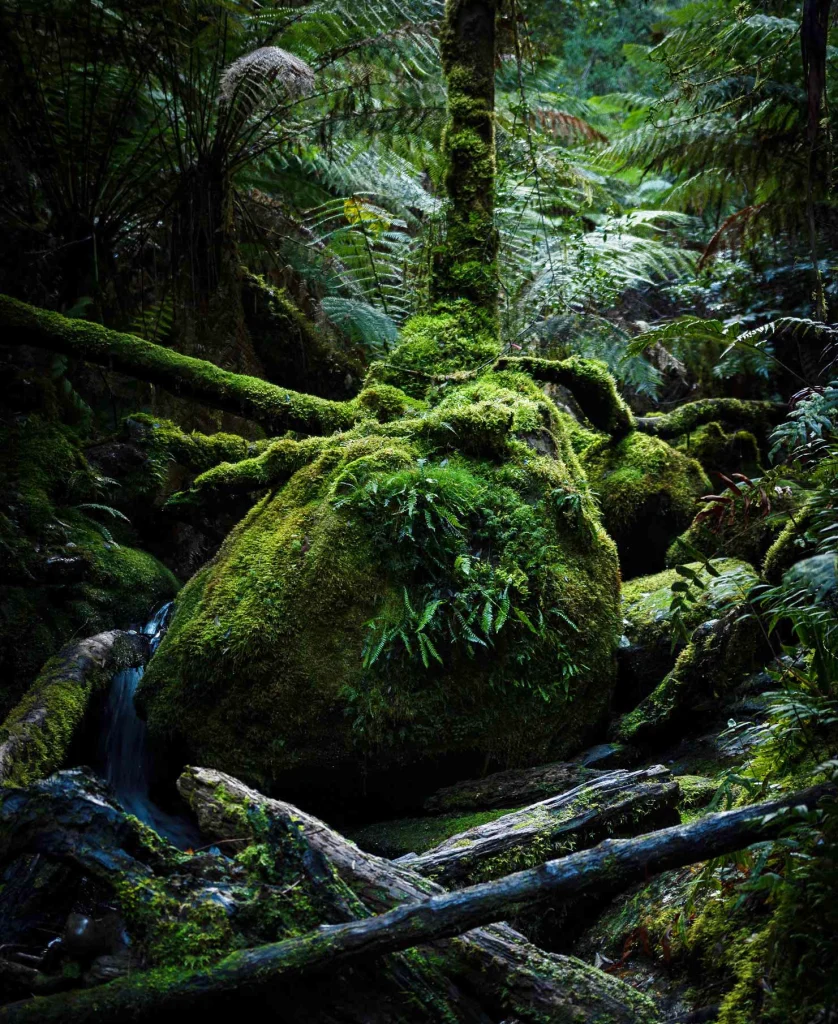
There’s a trail near us with a natural phenomenon – a beautiful, rare occurrence that happens under specific conditions. It’s been there for eons. Local hikers knew about it. We’d visit occasionally, enjoy the moment, move on.
Then a local news outlet published a photo with the exact location mentioned.
Within weeks, the trail was overrun. Hundreds of people descended, all wanting the same photo. The vegetation around the viewpoint was trampled. Track ruined. Rubbish appeared. The delicate balance of a quiet natural wonder was destroyed in the pursuit of social media content.
The place is still there. But it’s changed. Popularized. And it will never be what it was.
This is happening everywhere. And it’s getting worse.
The Geotag Problem
Let me be direct: when you post a photo from a hike and tag the exact location, you’re not sharing the experience. You’re might be creating a problem.
You might think you’re inspiring people to get outdoors. What you’re actually doing is creating a GPS coordinate for Instagram pilgrimage.
What happens when locations go viral:
The first post gets likes. Someone else sees it, goes there, takes essentially the same photo, posts it with the same geotag. Then another person. Then another.
Suddenly, a once-quiet trail has a “famous” spot. People show up who have no interest in hiking – they want the photo. They drive there, walk the minimum distance required, take their shot, leave.
The trail becomes a photo opportunity, not a wilderness experience. And the environment pays the price.
The Real Environmental Cost
This isn’t theoretical. This is documented, repeatable, measurable destruction.
What actually happens to geotagged locations:
Trampling and erosion: People leave the established trail to get “the shot.” They stand on vegetation, creating new erosion paths. Others follow. Within months, you have multiple unofficial trails, all causing damage.
Overcrowding: Trails designed for moderate use suddenly get hundreds of daily visitors. The land can’t handle it. Soil compaction increases. Plant recovery decreases.
Littering and toilet paper flowers: Instagram tourists often aren’t experienced hikers. They don’t follow leave-no-trace principles. They leave rubbish. They don’t bury waste properly. They treat the location like a photo studio, not a fragile ecosystem.
Wildlife disruption: Constant human presence drives wildlife away. Nesting sites are abandoned. Feeding patterns change. The natural behavior of animals is altered by the Instagram hordes.
Infrastructure failure: Carparks overflow. Trails deteriorate faster than maintenance can handle. Facilities become overwhelmed. Local authorities struggle to manage the sudden influx.
I’ve watched this happen to multiple locations. A hidden waterfall that’s now surrounded by trampled vegetation and has an unofficial “shortcut” trail that’s causing serious erosion. A rock formation that now has rubbish scattered around it. A wildflower area where people literally walk through the flowers to get the “perfect shot.”
Each time, it started with a geotagged post that went viral.
It’s Not Actually About the Place
Here’s what really bothers me: most people visiting these Instagram-famous locations don’t actually care about them.
They care about the photo. They care about the likes. They care about having been to “that place from Instagram.”
Evidence of this:
Watch people at these spots. They arrive, check their phone to confirm they’re at the right location, take multiple photos of themselves, check the photos, retake if necessary, post immediately (if there’s signal), and leave.
Time spent actually experiencing the place: minutes, maybe.
Time spent trying to capture and share it: much longer.
They’re not there for the hike. They’re not there for the nature. They’re there for content. The place is just a backdrop for their personal brand.
And when the place is just a backdrop, why would you care about damaging it?
The Psychology of Social Media Validation
Let’s talk about why people do this, because understanding the psychology helps explain why it’s so damaging.
The Dopamine Loop
Social media literally rewires our brains. When you post a photo and get likes, your brain releases dopamine – the same neurochemical involved in addiction.
The cycle works like this:
- You post a photo from a hike
- Likes and comments come in
- Dopamine hits, you feel validated
- The feeling fades
- You need the next hit, so you seek the next photo opportunity
This isn’t metaphorical. This is measurable neurochemistry. Social media platforms are designed to create this loop because it keeps you engaged.
What this means for hiking:
Instead of hiking for the experience, people unconsciously start hiking for content. Every viewpoint becomes “is this Instagram-worthy?” Every moment is evaluated through the lens of “will this get likes?”
The hike itself becomes secondary to the documentation of the hike.
Social Comparison and FOMO
Humans are tribal. We compare ourselves to others constantly. Social media amplifies this to an unhealthy degree.
You see someone’s photo from an amazing location. Your brain processes this as: “They experienced something I haven’t. I’m missing out. I need to go there too.”
This is FOMO – Fear of Missing Out – and it’s a powerful psychological driver.
The result: People aren’t choosing hikes based on their interests, fitness level, or genuine curiosity. They’re choosing hikes based on what will generate social proof that they’re living an interesting life.
The location isn’t chosen for its intrinsic value. It’s chosen because it’s already popular, which means posting from there will generate engagement.
Performative Experience
Social media encourages what psychologists call “performative living” – doing things not for the experience itself, but to be seen doing them.
Think about the phrase “pics or it didn’t happen.” That’s the mindset.
The experience isn’t real until it’s documented and shared. The validation doesn’t come from actually doing the hike – it comes from others acknowledging that you did the hike.
This fundamentally changes the motivation for hiking:
Before social media: “I want to experience this place.”
With social media: “I want to be seen experiencing this place.”
That shift is profound. When the goal is to be seen, the actual experience becomes secondary. The photo is what matters. The likes are what matter. The place itself? It’s just a means to an end.
The Comparison Trap
Here’s where it gets darker: no matter how many likes you get, it’s often not enough.
You post your hiking photo. It gets 50 likes. But someone else’s photo from the same location got 200 likes. Your brain doesn’t register “50 people engaged with my content.” It registers “I got less validation than them.”
This creates a cycle of chasing more impressive locations, more dramatic shots, more engagement. You need the next viral location. The next perfect photo. The next dopamine hit.
And the environment suffers as thousands of people chase the same cycle.
The Checklist Mentality
Geotagging creates a checklist of places to visit rather than genuine exploration.
Instead of: “I wonder what’s over that ridge?” or “This trail looks interesting,” people think: “I need to get to the famous rock formation I saw on Instagram.”
What this destroys:
Discovery: The joy of finding something unexpected is gone when you’re following GPS coordinates to a known location.
Exploration: Why explore when you can just go where Instagram tells you the “best” spots are?
Personal connection: When you discover a place yourself, it means something. When you’re the 10,000th person to take the same photo in the same spot, it’s just a checkbox.
Authentic experience: Following a geotag isn’t adventure. It’s tourism. There’s nothing wrong with tourism, but let’s not pretend it’s wilderness exploration.
I’ve met people on trail who’ve never looked at a map to plan their own route. They look at Instagram, see what’s popular, and go there. They’re outsourcing their entire hiking experience to social media algorithms.
The “I’m Inspiring People” Justification
Every time this topic comes up, someone says: “But I’m inspiring people to get outdoors! I’m showing them beautiful places!”
Let’s be honest about what you’re actually doing.
You’re not inspiring outdoor connection. You’re creating a specific destination that people feel compelled to visit to get their own version of your photo.
You’re not encouraging exploration. You’re creating a map to a single point that everyone will converge on.
You’re not building appreciation for nature. You’re building appreciation for Instagram-worthy moments.
If you truly want to inspire people, show them the experience without the exact location. Talk about what you learned, what challenged you, what surprised you. Inspire the mindset of outdoor exploration, not the GPS coordinates.
The Damage is Permanent
Here’s what people don’t realize: environmental damage from overuse doesn’t heal quickly.
That trampled vegetation? It might take years to recover – if it recovers at all.
That erosion from people creating unofficial trails? It’s permanent. You can’t undo soil loss.
That wildlife that’s been driven away? They might not come back, even if human traffic decreases.
The trail near us with the natural phenomenon? It will never be what it was. Even if the crowds stop tomorrow, the damage is done. The quiet wonder of stumbling upon something rare and beautiful has been replaced with a managed site that’s trying to cope with damage control.
And it started with someone tagging the location on Instagram.
What You Can Do Instead
If you genuinely want to share your hiking experiences without contributing to the problem, here’s how:
Don’t Geotag
This is simple. Post your photo. Don’t tag the location. If people ask, be vague.
“Somewhere in the Blue Mountains” instead of “Hanging Rock Lookout, Blue Mountains National Park.”
“A trail in Tasmania” instead of “Federation Peak, Southwest National Park.”
Let people discover places themselves. Don’t hand them coordinates.
Wait Before Posting
Post your hiking photos weeks or months after the trip, not immediately. This removes the specific timing that encourages people to rush to the “current hot spot.”
It also forces you to think about whether the photo is actually meaningful to you, or just content for immediate gratification.
Focus on the Experience, Not the Location
When you post, talk about what you learned, what challenged you, how you felt. Make the story about the experience, not the destination.
Inspire people to seek their own experiences, not to replicate yours.
Encourage Genuine Exploration
Instead of posting “Check out this amazing hidden waterfall at [exact location],” try “Spent the weekend exploring off-track in [general region]. Amazing what you find when you study a map and just wander.”
This inspires the mindset of exploration without creating a stampede to a specific point.
Advocate for Leave-No-Trace Principles
If you’re going to post outdoor content, use your platform to educate. Talk about leave-no-trace ethics. Show yourself packing out rubbish. Discuss proper toilet practices in the bush.
Make your content about being a responsible visitor, not just about showing off beautiful locations.
The Bigger Question
Here’s what I really want you to think about: why are you posting that photo?
Be brutally honest with yourself.
Is it to share a meaningful experience? Or is it for validation?
Are you trying to inspire others to connect with nature? Or are you trying to demonstrate that you’re living an interesting life?
Do you actually want people to go to that place? Or do you want people to acknowledge that you went to that place?
There’s no wrong answer, but be honest about your motivations. Because if you’re posting for validation and engagement, you’re not serving the environment – you’re serving yourself at the environment’s expense.
The Counterargument
Some people argue: “But if places become popular, they get funding and protection. Tourism brings money for conservation.”
This is true in some cases. National parks with infrastructure and management can benefit from increased visitation.
But that Instagram-famous spot on a small trail with no infrastructure? That’s not getting conservation funding. It’s getting destroyed.
There’s a huge difference between managed tourism with infrastructure and facilities, and Instagram-driven stampedes to fragile locations that can’t handle the traffic.
A Personal Philosophy
I still take photos when hiking. I share some of them. But I’m intentionally vague about locations.
If someone genuinely wants to know where a photo was taken and seems like a responsible, experienced hiker, I’ll share the general information or message them directly to discuss the notes. I’ll never share exact coordinates or specific location names publicly.
The places I love are worth protecting more than my social media engagement is worth growing.
I’d rather have a thousand beautiful, quiet places that few people know about than have every beautiful place overrun because Instagram made it famous.
The Challenge
Next time you post a hiking photo, leave off the geotag.
Watch what happens. You’ll still get likes. People will still engage. But you won’t be contributing to the destruction of the place you supposedly care enough about to photograph.
And maybe, just maybe, the next person who visits that place will discover it themselves, experience it quietly, and leave it better than they found it.
That’s worth more than any number of likes.
Stop geotagging. Protect the places you love. Experience nature for itself, not for the content it provides.
The wilderness doesn’t need your Instagram coordinates. It needs your respect.

Interesting topic. A tad dogmatic maybe, but i think the idea has merits